Local Insights to Majestic Deck Builders Austin
Premium Deck Solutions: Elevate Your Outdoor Living Experience
Long-lasting deck materials present a reliable way of upgrading outdoor recreational zones. When opting for durable outdoor materials, homeowners can achieve both beauty and longevity. Multiple choices are available, every one featuring special attributes and decorative characteristics. Assessing environmental factors and care demands is vital in the decision-making process. As one explores the possibilities, the transformation of an outdoor area into a personal retreat becomes increasingly attainable. Learn how to select wisely for enduring satisfaction.
Why Choose Durable Deck Materials for Your Outdoor Space?
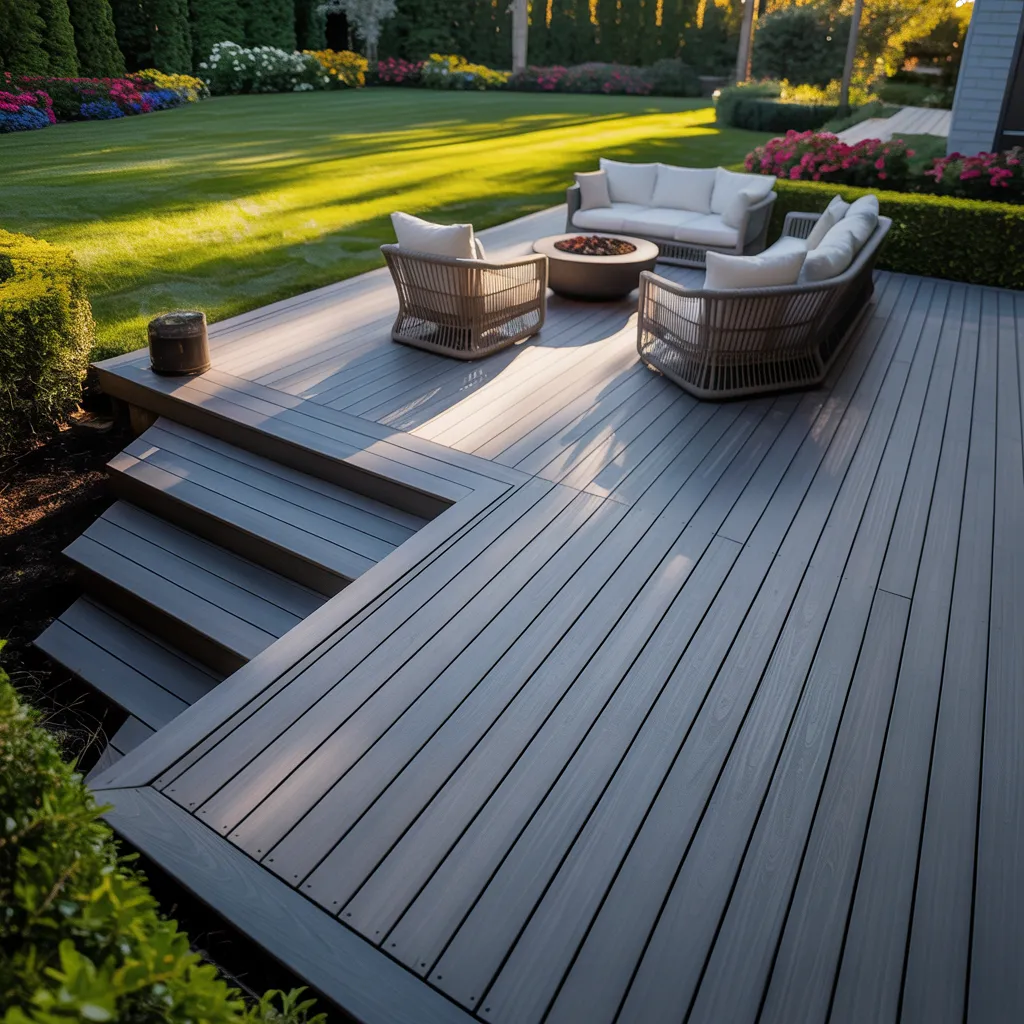
When planning a outdoor living area, the choice of resilient deck options is essential, as they not only enhance aesthetic appeal but also assure longevity. Durable materials, such as composite decking, hardwood, and PVC, resist the elements, reducing the need for frequent repairs or replacements. This robustness assures that the outdoor living area continues to be functional and appealing over time.
Furthermore, investing in durable decking can provide long-term savings on expenses. Residents can sidestep the financial burdens associated with routine servicing, such as staining or sealing, that are often required with less robust materials. As an added benefit, the environmental benefit of investing in sustainable options, like ethically harvested hardwood or recycled materials, is well worth noting. These selections lead to a smaller ecological footprint while providing a beautiful and lasting surface. All things considered, choosing long-lasting decking get details on this elevates both the overall outdoor living experience but also the overall value of a residence.
Design Ideas to Elevate Your Outdoor Space
To elevate outdoor spaces, intentional design selections can create a lasting difference. Creative color palettes can reshape the mood, while practical furniture arrangements ensure both relaxation and practicality. Collectively, these features can elevate any deck into a welcoming retreat.
Color Palettes That Inspire
What color choices can genuinely convert an outdoor space into a magical escape? A palette of soft earth tones, such as sandy beiges and muted greens, can create a serene atmosphere, harmonizing with nature. In contrast, vivid blues and warm yellows can revitalize the space, delivering a dynamic counterpoint to rich green surroundings. Incorporating rich, warm hues like deep terracotta or rustic reds can add depth, making the area feel cozy and inviting. For a sleek, modern look, opt for monochromatic arrangements using various gray tones, punctuated by striking bursts of color through decorative elements. At its core, the ideal color combination not only boosts aesthetic value but also affects the overall mood, fostering relaxation and delight in outdoor living spaces.
Efficient Furniture Configurations
Designing a thoughtfully structured furniture setup can greatly enhance the functionality and aesthetic appeal of an outdoor space. To start, clustering seating zones encourages interaction, while incorporating a mix of chairs, benches, and loungers caters to various preferences. Furthermore, positioning a dining table close to the kitchen or grill guarantees convenience during meals. Incorporating versatile pieces like storage ottomans or foldable tables makes the most of the available area. Layering rugs can define specific areas, adding depth and warmth. Moreover, incorporating greenery and decorative accents can soften hard surfaces and create a more inviting atmosphere. In the end, a well-planned furniture arrangement not only improves usability but also transforms the outdoor area into a stylish extension of the home, encouraging relaxation and enjoyment.
Top Durable Deck Materials for Longevity
When choosing materials for your deck, three primary options stand out for their remarkable strength and lasting quality. First, composite decking merges wood fibers with recycled plastic materials, offering resistance to water damage, decay, and insects. This combination not only reduces upkeep but also offers a visually pleasing look. Following that, PVC decking, made entirely from synthetic materials, is resistant to water and staining, guaranteeing extended durability without requiring sealing or painting. Its rich colors and textures retain their beauty over time. To conclude, hardwoods such as Ipe and Teak are recognized for their exceptional strength and natural resistance to environmental elements. These dense woods can withstand heavy foot traffic and harsh weather conditions, making them a superior option for selective homeowners. Overall, each of these materials delivers individual benefits, enabling homeowners to select based on their personal needs and preferences for outdoor living.
Essential Maintenance Tips to Prolong Your Deck's Life
Keeping up a deck is vital for ensuring its longevity and aesthetic appeal. Regular cleaning is a fundamental step; dirt, debris, and fallen leaves should be eliminated to prevent mold and mildew growth. Using a gentle soap solution and a soft-bristle brush can maintain the surface in excellent condition without inflicting harm.
Applying a sealant to the deck every one to three years is essential. This protective layer wards off moisture and UV damage, thereby preserving the wood's integrity and color. Additionally, inspecting for loose boards, rusted nails, or signs of wear should be routine, allowing for timely repairs before issues escalate.
It is also advisable to refrain from placing bulky outdoor furniture in a single position for long durations, as this may result in pressure marks and indentations. Additionally, utilizing protective furniture pads under pieces helps to evenly distribute the weight, lessening the strain placed on the deck surface. By following these maintenance tips, homeowners can greatly extend the life of their outdoor living spaces.
Selecting Decking According to Your Climate
Choosing the right decking material is essential, especially since local climate can considerably influence its performance and longevity. In areas with significant humidity, such as coastal regions, materials like composite boards may be more suitable due to their resistance to mold and decay. In contrast, dry climates can lead to increased sun exposure, making hardwoods like teak or ipe ideal selections, as they inherently resist sun damage.
In regions with colder weather, freeze-thaw cycles can impact decking materials. In such environments, treated wood or composite options engineered for harsh conditions can provide longevity. Moreover, locations susceptible to significant rainfall may take advantage of slatted decking or elevated structures to maintain effective water drainage.
In the end, recognizing local weather patterns can help homeowners choose materials that will not only improve aesthetics but also endure over time, ensuring a functional and attractive outdoor space.
How to Budget for Your Dream Deck
When creating a perfect deck, precise budgeting is vital. People should commence by reviewing their financial targets, determining material pricing, and considering labor fees. This methodical process ensures a practical and attainable deck project.
Examine Your Financial Goals
What is the best way to budget for a dream deck that satisfies both design aspirations and financial constraints? To begin, establishing clear financial objectives is essential, determining how much can be comfortably allocated to the project without compromising other financial obligations. Defining a spending range minimizes the risk of overspending and creates room for changes as the project evolves. Subsequently, available funding sources including savings accounts, personal loans, or home equity lines should be thoroughly examined to determine financial capacity. Additionally, prioritizing features can help identify must-haves versus nice-to-haves, guaranteeing that the most important aspects are funded first. Periodically reassessing and refining the budget throughout each stage of planning confirms that financial targets are met, paving the way for a fulfilling and beautifully completed outdoor living area.
Assess Material Costs
Planning the finances for an ideal deck requires an accurate estimation of material costs, which is an essential step in keeping the project aligned with budgetary constraints. Homeowners should begin by researching the range of available building materials, including composite, wood, and PVC. Each material has varying price points, durability, and maintenance requirements. Determining the complete square footage of the deck is necessary to establish the amount of materials required. Moreover, factoring in components such as railings, steps, and finishing details will affect the final budget. Gathering quotes from local suppliers can provide a clearer picture of expenses. By compiling these estimates, homeowners can successfully plan the finances for their ideal deck, reconciling their goals with fiscal limitations and preventing unforeseen financial burdens throughout the project.
Factor In Labor Expenses
Labor expenditures represent a key element in the total cost of building your perfect deck. It is important for homeowners to account for both direct and indirect expenses when working with contractors. Direct charges encompass compensation for qualified tradespeople, while indirect expenses may involve insurance policies, regulatory permits, and equipment fees. It is essential to obtain multiple quotes from contractors to guarantee competitive pricing. Furthermore, having a clear grasp of the project's extent allows for more precise calculations of labor hours and expenses. Choosing a do-it-yourself approach may lower costs, though it demands an honest evaluation of personal abilities and available time. Ultimately, factoring in labor expenses effectively will help homeowners create a realistic budget, making sure their dream deck is both beautiful and financially feasible.
Reinventing Your Backyard: Real-Life Deck Overhauls
Many homeowners have discovered the transformative power of deck makeovers, transforming simple backyards into extraordinary outdoor escapes. Such endeavors typically start with an inspired idea, whether it's creating a serene space for relaxation or an energetic space for hosting gatherings. Real-life examples showcase diverse styles, from modern composite materials to rustic wood finishes, all customized to suit the homeowner's personal style.
A remarkable project featured a tiny, overlooked deck that was enlarged and reimagined with various levels, featuring custom seating and atmospheric lighting. Another project featured a complete overhaul, swapping aged timber for long-lasting, easy-care materials, improving both usability and aesthetics.
Landscaping furthermore fulfills a critical purpose, with carefully positioned plants and lighting elevating the surrounding atmosphere. By investing in thoughtful design and quality materials, homeowners are accomplishing far more than renovating their decks; they are creating personalized outdoor sanctuaries that reflect their lifestyles and preferences, transforming the complete outdoor living experience.

Frequently Asked Questions
What Environmental Effects Do Various Decking Materials Have?
Different decking options have varied environmental consequences. Wood decking contributes to deforestation, while composite materials often contain recycled plastics, reducing landfill waste. Additionally, concrete has a high carbon footprint, impacting overall sustainability in outdoor environments.
How Can I Improve Safety on My Deck?
To increase safety on a deck, it is important to add non-slip surfaces, incorporate sturdy railings, secure proper lighting, routinely check for structural integrity, and keep the space free of clutter to minimize accidents and injuries.
Are There Financing Options for Decking Projects?
A number of deck installation companies make available financial solutions, including installment plans or arrangements with financial partners. Such solutions can help homeowners handle expenses efficiently, allowing them to secure quality materials and professional installation for their deck building endeavors.
What Permits Are Needed for Deck Construction?
Deck building projects commonly require zoning approvals, building permits, and occasional environmental assessments. Municipal regulations differ, so homeowners must reach out to their local municipality to confirm full compliance with relevant legal obligations prior to starting construction.
How Do I Choose the Right Contractor for My Deck?
To select the best contractor for a deck, homeowners should research credentials, read reviews, evaluate estimates, check insurance, and evaluate responsiveness. Ensuring compatibility with project vision is vital for a productive partnership.